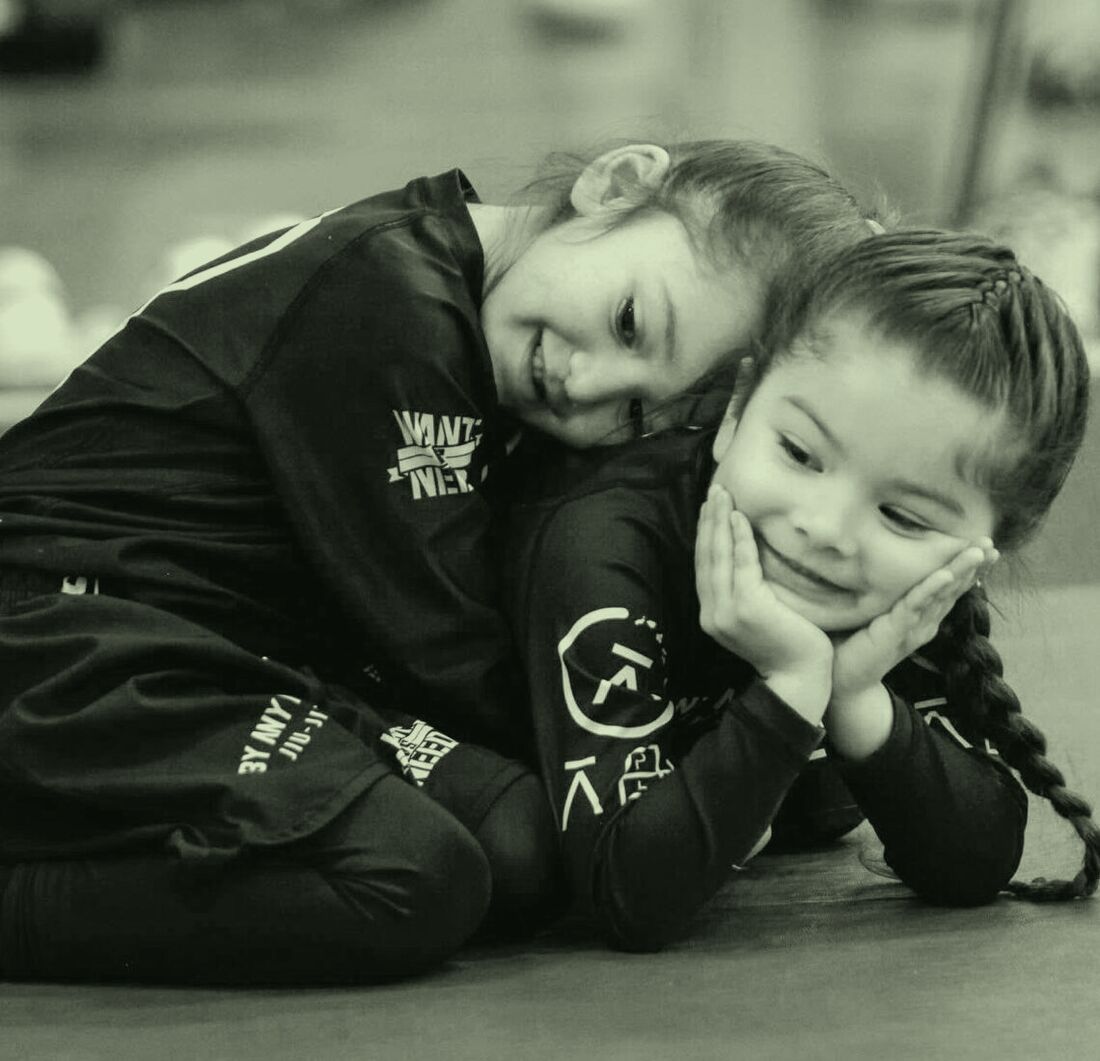
Pre-School
Jiu-Jitsu.
Empower your child through our Pre-School Jiu-Jitsu classes. Fueling their boundless curiosity and energy, we offer expert guidance, vibrant learning, and endless fun.
Built for little ones,
on purpose.
Motor Skills & Coordination
Jiu-Jitsu for young children focuses on developing fundamental motor skills, balance, and coordination in a fun and engaging way — building the physical foundation for everything that comes next.
Discipline & Respect
Classes foster discipline, respect, and confidence at an early age — habits that carry into preschool, kindergarten, and beyond.
Safe by Design
Our classes are tailored for young children with a strong emphasis on safety. Instructors are trained to work with this age group, ensuring activities are age-appropriate and conducted in a controlled environment.
Focus & Listening
Jiu-Jitsu helps improve focus and listening skills — benefits that show up in academic settings as your child grows.
Social Skills
Group activities teach children how to work with others, take turns, and build friendships in a supportive team setting.
Goal Setting
Children learn about setting and achieving goals, enhancing their sense of accomplishment and self-esteem with every small victory.
We let them
figure it out.
At By Any Means, our classes are built around a Constraints-Led Approach to learning. Instead of standing in line and drilling the same move over and over, your child will learn by doing. We put them in live situations and games designed to develop real skills organically.
As coaches, our first job is to observe. Before we ever step in to coach, we want to see what your child does on their own. If they look a little lost, that is completely intentional — that is the game working exactly as designed. The challenge in front of them is what builds problem-solving, confidence, and real Jiu-Jitsu ability.
What your child learns in our classes goes far beyond technique. They learn how to think, adapt, and trust themselves.
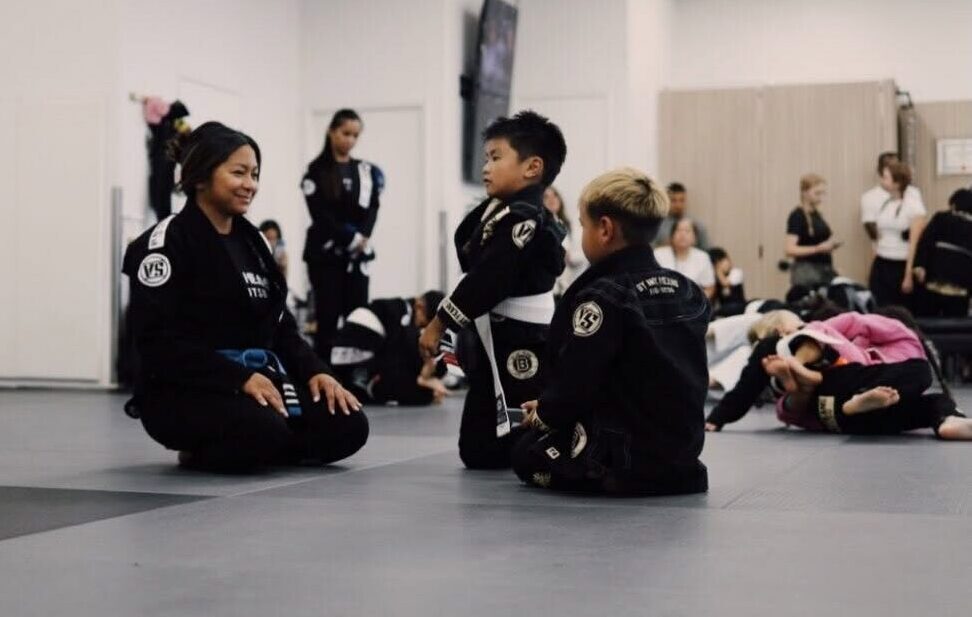
Pre-School Jiu-Jitsu
FAQs.
Jiu-Jitsu for young children focuses on developing fundamental motor skills, balance, and coordination in a fun and engaging way. It also fosters discipline, respect, and confidence at an early age.
Absolutely. Our classes are tailored for young children, with a strong emphasis on safety. Instructors are trained to work with this age group, ensuring activities are age-appropriate and conducted in a controlled environment.
At By Any Means, our classes are built around a Constraints-Led Approach to learning. Instead of standing in line and drilling the same move over and over, your child will learn by doing. We put them in live situations and games designed to develop real skills organically.
As coaches, our first job is to observe. Before we ever step in to coach, we want to see what your child does on their own. If they look a little lost, that is completely intentional. That is the game working exactly as designed. The challenge in front of them is what builds problem-solving, confidence, and real Jiu-Jitsu ability.
We do not coach kids before we see what they are capable of. That assessment comes first, always. What your child learns in our classes goes far beyond technique — they learn how to think, adapt, and trust themselves.
One of the best things you can do for your child at By Any Means is let them figure it out. Our coaches are trained to guide your child through challenges on the mat, and that process is where the real growth happens. We ask parents to hold back the instinct to step in, coach from the sideline, or comfort them mid-class. Trust the process and trust our coaches. You will be amazed at what your child is capable of when given the space to work through it on their own.
Encouragement and interest in your child's progress go a long way. You can support them by establishing a routine for class attendance, practicing basic moves with them at home, and celebrating their achievements, both big and small.
Jiu-Jitsu is more than just physical activity; it's a holistic approach to early childhood development. It helps in improving focus and listening skills, which can be beneficial in academic settings. Additionally, it fosters social skills through group activities and teaches children about setting and achieving goals, enhancing their sense of accomplishment and self-esteem.